


Things to keep in mind at swimming areas
1 Oct. 2025
Scan the QR code with your phone’s camera to download the app

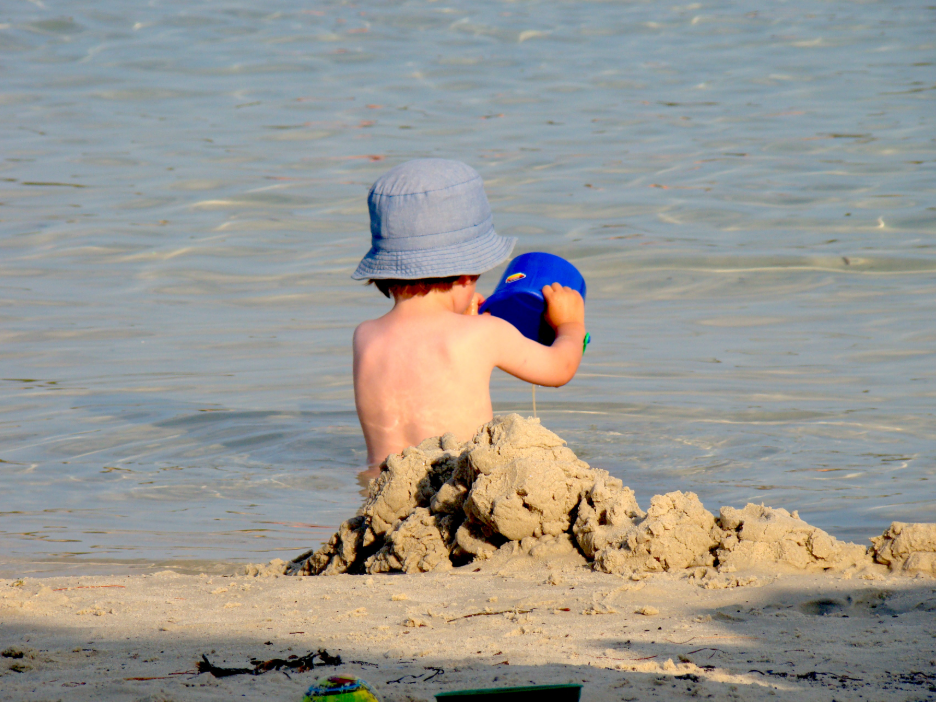
In just fifty years, the number of drowning accidents in Sweden has gone from approximately 400 to 100 per year. The goal is, of course, that no one should drown. Even though children are now allowed to attend swimming school from an early age and many swimming areas have lifeguards, there are many good things to keep in mind to swim safely with your children this summer.
What is the most important thing to consider when taking your children swimming?
The most important thing is, in part, to get an overall idea of the swimming area and the environment; for example, if the bathing area is a shallow beach or if it has rocks, and if there are lifeguards present. Regardless of where you swim, it’s good to check where the nearest lifesaving equipment is, such as a lifebuoy, raft or throw line. It is also important to keep track of where you are, so that you can give emergency services your exact location if you need help.
How to swim with your children at swimming areas
The simple answer is together. Smaller children must always swim with an adult present. If you let older children go down to the water by themselves, it is important to supervise them at all times. Do not let children swim under bridges or diving boards.
How come children can drown in shallow water?
Young children do not have fully developed balance or the ability to control their bodies like an adult. A water level that can cover the nose and mouth (i.e. only a couple of centimeters) is enough for a child to drown. Never leave children unattended on beaches or in a bathtub with little water in it.
Are drowning accidents among children common?
Approximately 20-30% of all drowning accidents are swimming-related, and today there are no significant figures when it comes to children in particular. The few drowning accidents that happen to children can often be linked to a lack of adult presence and someone’s phone is often the culprit in this. The hope is, of course, that no one should drown!
How long can a child stay under water?
It is difficult to say how long a child can manage to stay under water, but the survival statistics obviously increase drastically the faster you can start CPR. Always be with your child when you go to swimming areas together and remember that accidents can happen in just a matter of seconds.
What might be useful to consider when it comes to swimming skills?
That we are each other’s lifeguards and both swimming and water skills are incredibly important when we are with our children at swimming areas. If you, as a parent, leave the responsibility to someone else, what could they do if something were to happen? Do not leave this responsibility to siblings, who may not know how to act if something were to happen.
It may also be good to consider wearing a life jacket at swimming areas as this is absolutely the safest situation for children. Regardless of your swimming ability, strong currents can quickly push you out to sea, especially if you are on a floating mattresses. Therefore always write your name and phone number on these, as it makes it easier for the lifeguards going to collect them.
When it comes to swimming toys, you should be careful when buying these abroad, and you should be looking for products that meet EU standards to be sure that they work properly.
Is there anything else you should think about this summer?
It is just as important for children as for adults to protect themselves on sunny days. Wear a sun hat and drink plenty of water! Even if us adults keep an eye on our children, drowsiness due to heat and dehydration can drastically impair your abilities.


