


Second trimester of a twin pregnancy
1 Oct. 2025
Scan the QR code with your phone’s camera to download the app

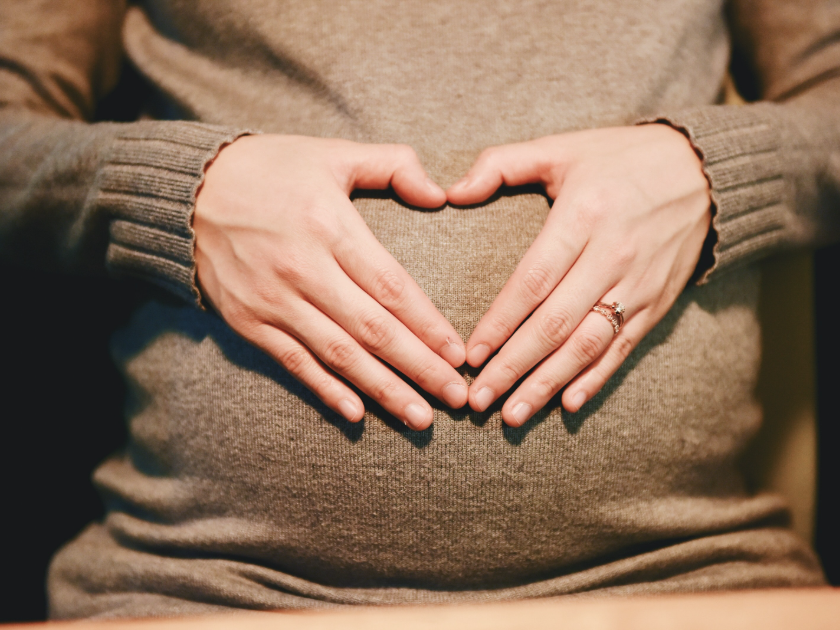
Joy or shock – can you feel both?
The second trimester starts from week 14 of the pregnancy and lasts until week 27, and in this trimester planning for the rest of the twin pregnancy begins. Among other things, you will also want to make sure that you are carrying a single or twin pregnancy (if you haven’t already found out in the first trimester!) and depending on what type of pregnancy it is, a plan will be drawn up for future ultrasounds and visits.
During the second trimester, it’s common to start feeling more tired, and by now it’s likely you’re also starting to show signs of pregnancy. You may have gained some weight by now, probably more than if you were expecting one baby, which is perfectly normal! During your pregnancy, it is important to listen to your body and try to slow down. Your body can handle expecting two children, but it can get cramped for the babies towards the end, which is why most twins are born before week 37+0.
Most people who are expecting twins may initially feel worried and have many questions. All these feelings are completely normal after the news that you’re expecting twins. Not many people think about the possibility of a twin pregnancy until they get the news, so it’s not unusual for it to come as a shock.
Worries and concerns may differ between the pregnant person and their partner; that’s why it’s good to talk about your thoughts and feelings if you live together. Remember not to place any blame on how the other partner is feeling or thinking! As a pregnant person, your thoughts are perhaps more focused on your body, whether it will make it to the end and how a twin birth works. As a partner, you may be thinking more practically, for example, about finances or whether you’ll have space in your current home.
It is important that you, as a pregnant person, also trust your midwife and feel confident in bringing up thoughts, concerns and feelings, regardless of what they are. Your midwife is there for you during your pregnancy journey! It can also feel good to turn to parenting groups with a focus on twin pregnancies to discuss your new life ahead.
There are different risks associated with different types of twin pregnancies. All those expecting twins should have an extra ultrasound, as there is a risk of stunted growth in the babies regardless of the type of twins. For those of you who are pregnant, it is important that you go to your prenatal check-ups and always tell us how you are feeling. At the beginning of your pregnancy, you will be informed about symptoms that you should be particularly vigilant about. There is a slightly increased risk of high blood pressure, pre-eclampsia and hepatorenal syndrome, which entails itching in the palms of the hands and under the feet. Just because there are risks does not mean that you or your children will get sick. Both you and your baby should feel good throughout your pregnancy!
Around week 16 of pregnancy, pregnant people are usually asked to fill in a form called EPDS. EPDS stands for Edinburgh Postnatal Depression Scale and is used to detect mental illness in pregnant people. Mental health issues can be characterised by anxiety, depression or worry, and around 10-15% of all pregnant people have some form of mental health issue. If you have a high score on your EPDS, your midwife will arrange for you to see a doctor or psychologist. Remember: just because you feel, for example, anxiety does not mean you have a mental health issue.


