


Everything you need to know about RSV
8 Oct. 2025
Updated: 22 Jan. 2026
Scan the QR code with your phone’s camera to download the app

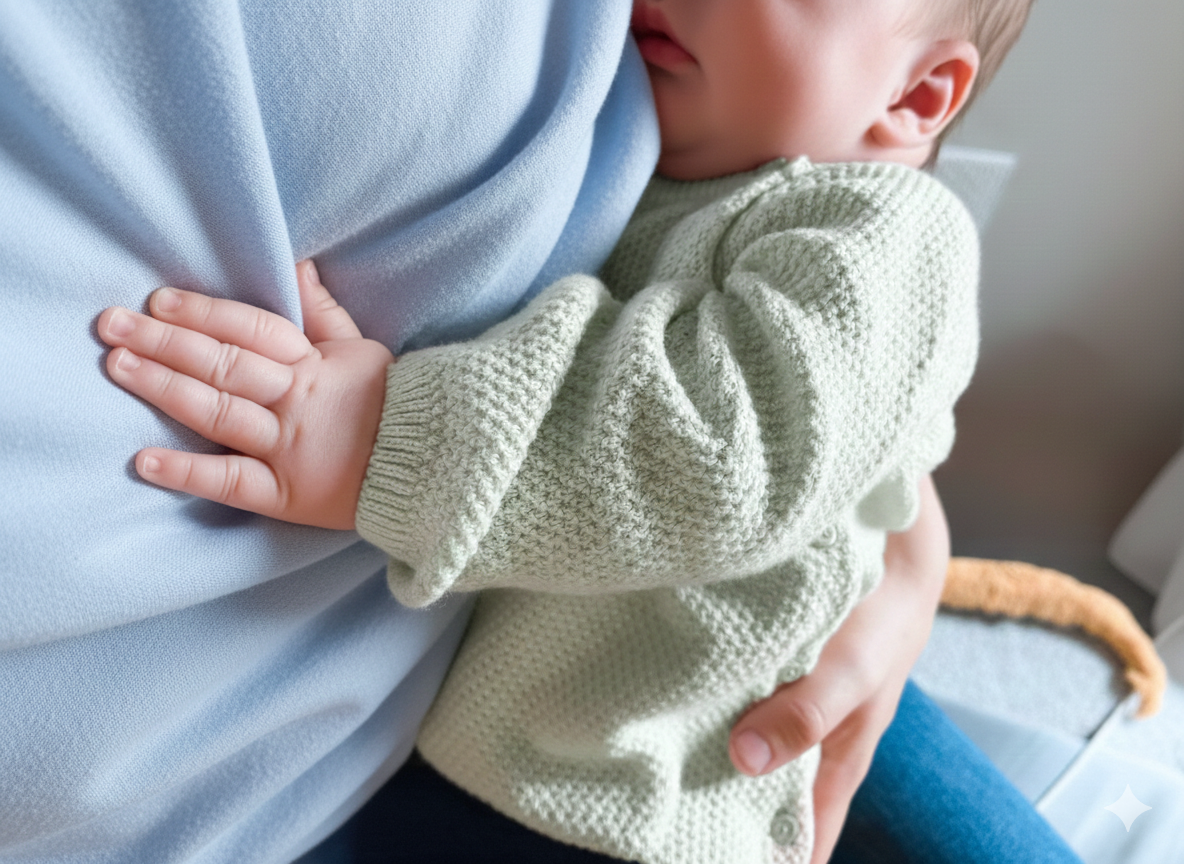
Right now there is great concern among parents about the respiratory syncytial virus (RSV), which is a type of cold that affects the airways of both children and adults. But how worried should you be for your little ones? The fact is that the disease in children over two years of age and adults rarely becomes serious. For small children, it can be a little worse because they only breathe with their nose, and therefore can have difficulty being breastfed or bottle fed. It can be scary, and it can be especially tough that an RSV infection often takes a little longer to fully recover from. The cough can last a long time, sometimes for several weeks.
How common is it for small children (0-2 years) to get RSV?
Almost all children under the age of two experience an RSV infection at some point, but far from all become seriously ill from the virus. However, children under three months old, prematurely born children, children under two years of age with any congenital lung or heart disease, neurological disease or other immunodeficiency disease run a greater risk of becoming more severely ill.
If your child has a cough and you suspect that it might be RSV, what should you do?
Firstly, it is important to do what you can to help your child with their cough and any other symptoms such as a fever, stuffy nose and maybe even breathing difficulties in the very youngest children. Then you can turn to these tricks:
You can also give them antipyretics if necessary, but if your child is under six months old, you should consult a doctor first.
When to go to the hospital or contact the healthcare services?
If your child seems to have difficulty breathing and/or difficulty breastfeeding/bottle-feeding and taking in other liquids, you should always contact the healthcare services. This also applies if your child seems lethargic.
If you have a small child under three months old who has developed a fever, has had difficulty breastfeeding/eating for a few days or has noticeable difficulty breathing, you should always seek emergency medical care!
How do I know if my child’s breathing is affected?
Sometimes it can be difficult to tell, but you may notice that your baby’s breathing seems labored. Your baby is breathing shallowly and quickly, and their stomach is moving a lot during inhalation and exhalation. It may also look uncomfortable for your child and their breathing may sound wheezy or raspy. If you are not sure how to help your sick child, it is always a good idea to contact the health services.
Can you minimise the risk of your child becoming infected with RSV?
After the pandemic, the last thing many parents want is to isolate themselves, but the absolute best thing you can do is to avoid large crowds if you want to reduce the risk of an RSV infection. This applies especially during the period when RSV spreads the most, which is usually November to March. Good hand hygiene is also important!
You can always follow the development of RSV on public health agencies’ websites, where they will provide updates on the RSV situation, so you can be sure that you are aware of the latest news. If you are at home with a newborn baby, you might consider being strict with the number of visitors and the most important thing is that those who want to visit are completely healthy. If you have the opportunity, it is ideal to meet loved ones outdoors to minimise the possibility of infection.
Call your health care services for help with counselling and assessment if you are concerned.


