


Getting your child to sleep in their own bed
30 Sep. 2025
Scan the QR code with your phone’s camera to download the app

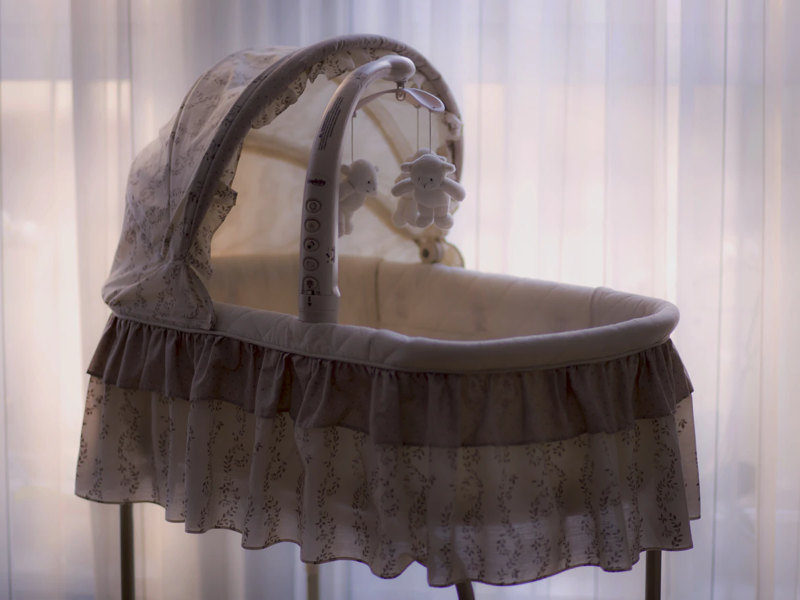
When implementing new sleep routines, it’s good to work in small steps. Provide them with a lot of closeness at the beginning, and it may be necessary, for example, for a parent to sleep on a mattress on the floor next to the child’s bed. Then gradually phase out this parental presence as the child becomes able to do so.
Make the child’s bed a cosy space with stuffed animals, blankets or bedside lamps to create a sense of security. It is good to create a regular evening routine that gives the child a sense of security and that helps the child prepare for the night and settle down.
If you want to try letting the child sleep in their own room in their own bed, they still needs help falling back to sleep if they wake up and are upset. So, make sure you can hear if your child starts crying.
If the child is a little older, up to two years old, it is good to talk to your child before they go to sleep in their own bed to get them ready for bed. Establishing new routines and habits takes time and requires patience. Give the process some time and take it in small steps. Also be prepared that this routine may need to be changed in the future as the child develops and their needs change.
If it is not possible for your child to sleep in their own bed after you’ve been trying for a couple of weeks, it may mean that the child is simply not ready to sleep in their own bed right now – try later instead. Avoid letting the child start sleeping in their own bed when there are other changes going on in the child’s life or if the child is more sensitive for some other reason.
It will differ from family to family which sleeping habits work best because children and parents are different and children’s needs change over time. It is therefore not possible to say any specific age when children can start sleeping in their own bed in their own room. Start from what works best for you right now and which solution will allow you to sleep as well as possible. There is no risk that your child will want to sleep in their parents’ bed forever just because that is the best solution in that moment.
There are many advantages to sleeping in the same bed or having the child’s bed close to the parent or parents’ bed when the child is small. The child perceives this as safe and can then fall back asleep more quickly, even on their own, when they wake up and can quickly see that a parent is there.
It is also easier to get fed and lifted up for comfort when needed. Remember that it is recommended that babies under three months of age sleep in their own bed to reduce the risk of sudden infant death syndrome.
A disadvantage you may experience of sleeping in the same bed as your child is that you can easily wake each other up due to noise and movements. For some, it helps to wear earplugs or for their child to sleep in the parents’ bedroom but in their own bed. It can also be helpful to make a bed with many pillows between child and parent to prevent too much physical contact.


