


How much stimulation does my child need?
7 Oct. 2025
Scan the QR code with your phone’s camera to download the app

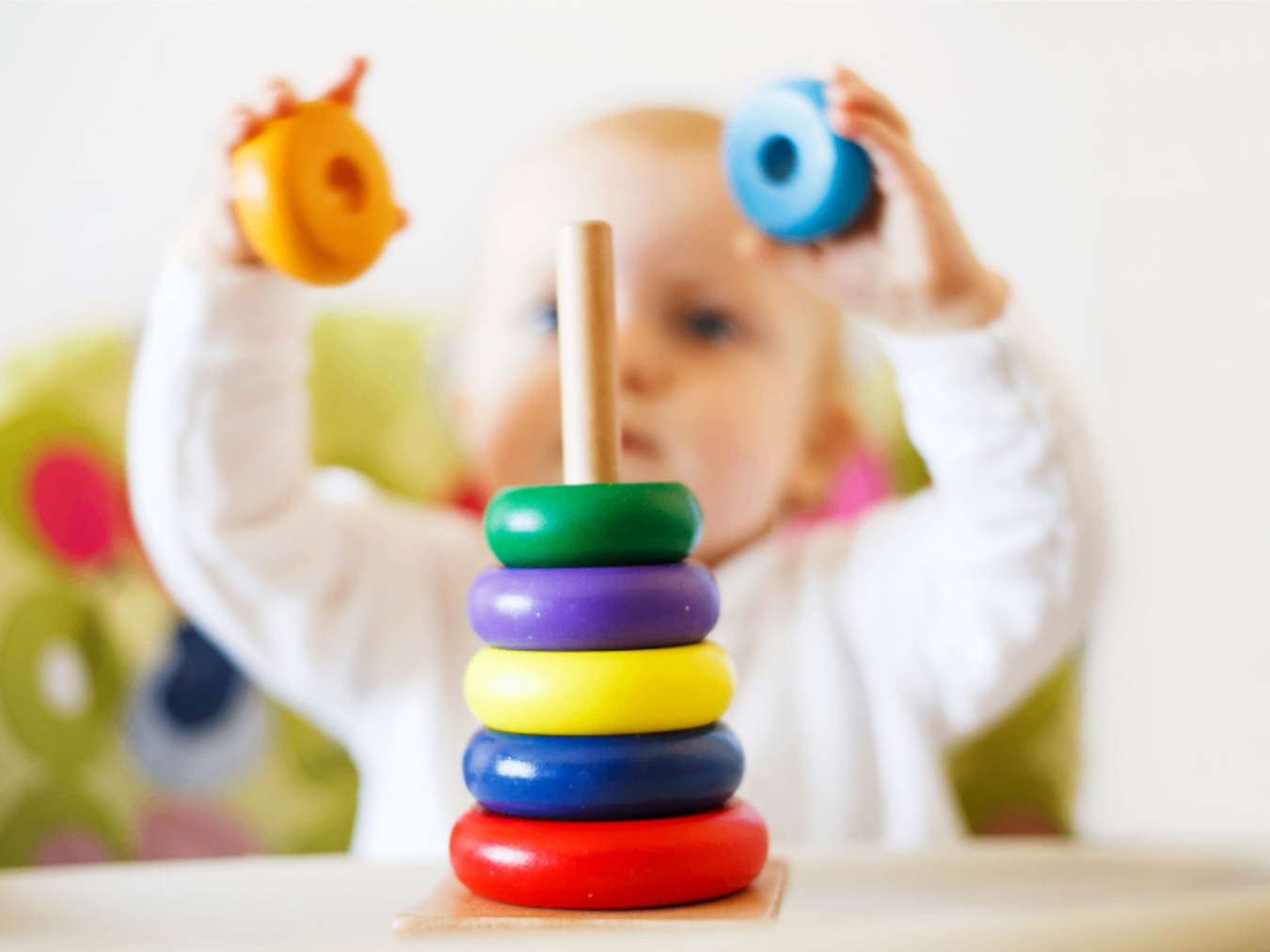
Young children do not need sophisticated toys or activities to get the stimulation they need to develop. Through their senses, interaction with others and when they move, your child explores their surroundings and learns new things. Your child has a need to explore and does so continuously in everyday life even when there are no planned activities. For example, watching a spoon fall to the ground over and over again can be a very fascinating experience where the child learns about the law of gravity and their own motor skills.
When young children are stimulated and exploring their surroundings, the most important thing is that there is a parent, parents or other adults present with whom they can interact. From birth, children are dependent on contact and interaction in order to develop and explore their surroundings. It is together with others that your child examines, observes, imitates and interacts. The adult puts into words and reflects what the child sees and experiences, which makes the experiences clearer for the child.
Children do not always play with others but also by themselves. Knowing that someone is there when needed gives the child the security they need to venture out and explore and play on their own. Even when the child is playing on their own, it’s important to have the support of an adult to have someone to share the experience with, to get help when things get difficult, protection when things get dangerous and reassurance when needed. For example, toppling a tower becomes a much more intense and stimulating experience when someone else sees it happen and puts the experience into words, “Oh, it fell over!”, than if it is experienced alone.
It is of course not possible to share every experience and event with your child. It is an impossibility because there are also other things going on in life, for example food to be prepared or siblings who need help. The world cannot stop every time your child topples a tower. The most important thing is that your child knows that there is often someone who sees what’s happening and is there when needed.
In order to see and participate in your child’s exploration and thus support them, you can take a step back, observe what they are doing and at what pace and then join in with the activity. Try to follow your child’s pace, put into words what they are doing, what you are doing and what is happening in the game. Show interest, have fun with your child and encourage their initiative and abilities. Provide support and help when needed.
To help your child get the stimulation they need, try to be responsive and make sure that the exploration and play are at an appropriate level for your child. If your child shows signs of frustration, the game may be too difficult and they need more help, your child may have been doing the same thing for a while and needs help to change or they are starting to get tired and may need help with resting for a while. In general, children who are starting to become more mobile, such as when they crawl and walk faster, enjoy more time out of the house in more open places where they have the opportunity to move freely. When your child is around two years old, it is also increasingly important that they get the opportunity to socialise with other children.


