


PCOS: What is it?
7 Oct. 2025
Verified by
Scan the QR code with your phone’s camera to download the app

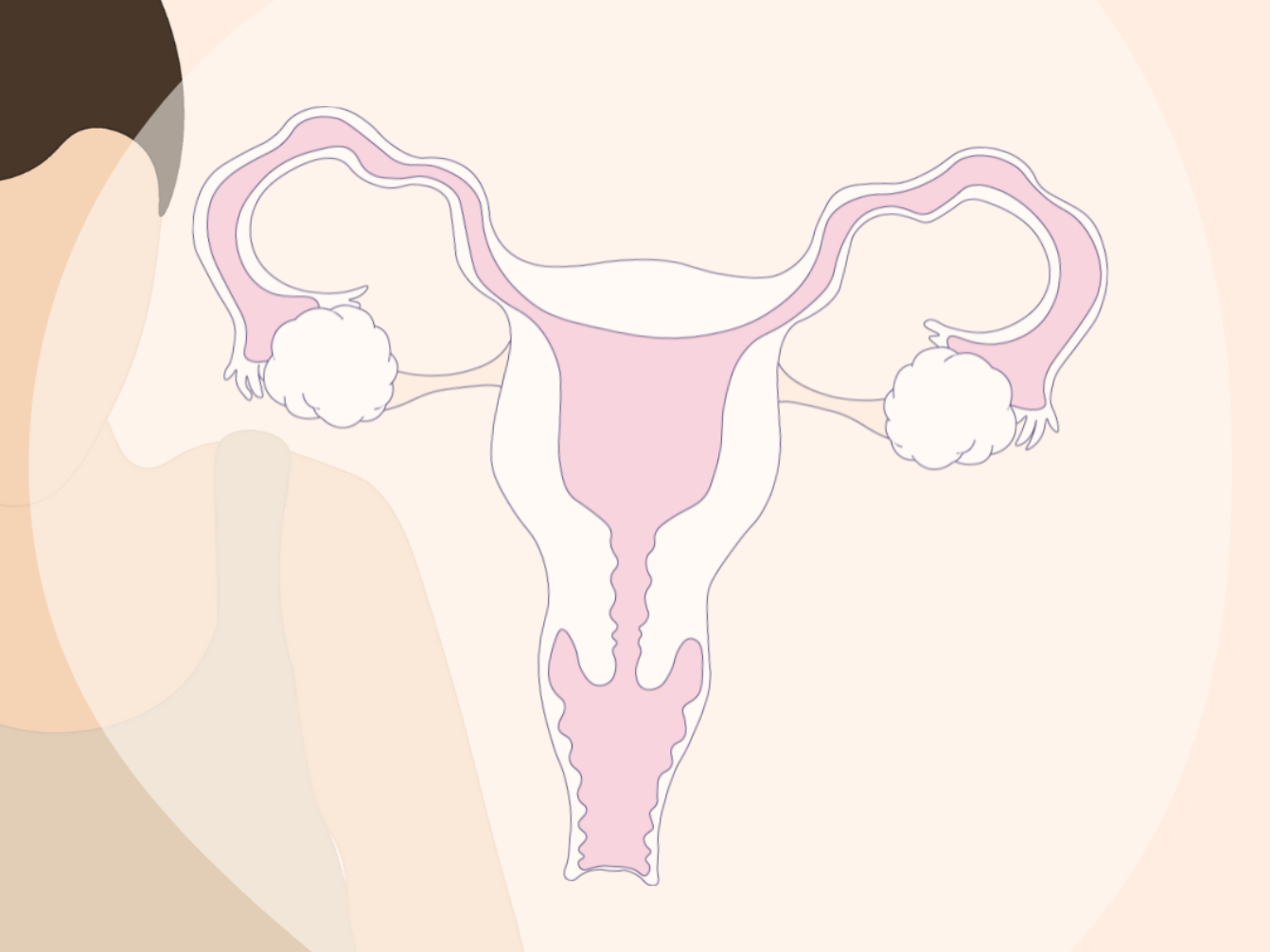
To fully understand PCOS, you also need to understand your menstrual cycle. If you have your period every month, it usually means that you also ovulate every month and if the egg is not fertilised by a sperm, you will have your period again. This is the menstrual cycle and it is calculated based on the number of days from the first day of your period until you get your period again.
The length of the menstrual cycle varies from woman to woman, ranging from 21-45 days. Everything within this range is considered normal, but if the number of days varies greatly from month to month, it is usually said that you have an irregular menstrual cycle, which can be a sign of some kind of hormonal imbalance in the body.
What does hormonal imbalance mean?
Your ovulation is controlled by hormones in your body, which in turn control the maturation of follicles in your ovaries. If you have PCOS (polycystic ovary syndrome), your ovaries make too much of the hormone testosterone, which means that your eggs don’t develop enough for you to ovulate at all. Then the follicles that have not fully matured can instead remain in the ovaries filled with several smaller follicles instead of coming off. These are called polycystic ovaries.
What are the symptoms of PCOS?
There are several different symptoms of PCOS, but usually it’s your menstrual cycle that will show something isn’t right in the form of very irregular or completely absent periods. Difficulty conceiving can also be a sign of PCOS, which is not due to you not having any eggs, but simply that they are not mature enough to be released.
There are other symptoms that can also indicate PCOS, such as feeling down, having a reduced sex drive, a lot of body hair or gaining weight easily. Sometimes, however, it is so subtle that you have no obvious symptoms.
Why do people get PCOS?
PCOS can be hereditary, but it is not certain that you inherit it and you can get PCOS without having it in your family. There is a link between PCOS and obesity, which is simply because the hormonal system is affected by obesity, which in turn can be affected by insulin levels or imbalances in hormone levels. Insulin resistance is also a factor that can cause PCOS, but in some cases the cause of the diagnosis is not actually known.
When and how should you seek help?
If you find that you menstruate less than four times a year, have grown much more hair on your body than you used to or have difficulty getting pregnant, you should contact a gynaecological clinic or health centre. At the gynaecologist, you will need to give blood samples to measure the levels of hormones in your blood, perform a physical examination, a gynaecological examination and have your ovaries examined with ultrasound to see what the follicles look like.
How does treatment work?
There are different methods of treatment depending on what the main issue is. If you want to get pregnant, one type of treatment may be to stimulate ovulation or treat you with hormones in order to regulate your menstrual cycle. This method can also be used to relieve symptoms such as acne or unwanted hair growth. Treatment can also be aimed at lifestyle changes through diet, exercise or stress reduction/management.
Other tests may also be part of any treatment, such as measuring thyroid hormones as these may be affected and need to be regulated with medication.
Is there anything you can do yourself?
There are studies showing a link between our female sex hormones and stress, so an alternative route may be to try to reduce stress levels on your own through activities that make you feel good and which are relaxing. Stress can be triggered by caffeine, so one idea might be to also reduce your caffeine intake to see if your symptoms decrease. A lack of sleep also has a direct link to stress, so increasing the number of hours of sleep you get per night may also be helpful.
Today, a lot of research is being done on diets that can affect serotonin levels and how diets can affect the brain and mind. What research has shown is that the levels of serotonin in the body affect insulin levels. A lack of serotonin thus regulates your insulin to lower levels, which in turn produces higher blood sugar levels in your body, which is linked to PCOS. A high blood sugar level may be because you have eaten more than you need, are not very physically active or have an increased need for insulin due to stress.
The hormone serotonin is formed in the gut and helps the intestines to process the food we eat, and is a big part of how we feel as the hormone affects both our mood and well-being. The diet you eat can affect your gut flora and the production of serotonin, which can increase your general well-being, which in turn can help with PCOS. A diet that stimulates serotonin production and balances your gut flora may therefore be recommended. Then you can eat foods that are rich in vitamin D and B12, such as fatty fish and dairy products, meat and cheese. Choosing nutritious forms of carbohydrates, fat and protein is also positive.
Finally, by getting more physical activity into your everyday life, you can overcome your PCOS. This could be cycling to work, taking a walk at lunch or getting some form of exercise into your week that you enjoy!
If you think you have PCOS, you can always start by calling the health care services to consult with healthcare professionals, and they will help you get a gynaecological examination.


