


Regular pregnancy vs twin pregnancy – Key differences
9 Oct. 2025
Verified by

Scan the QR code with your phone’s camera to download the app

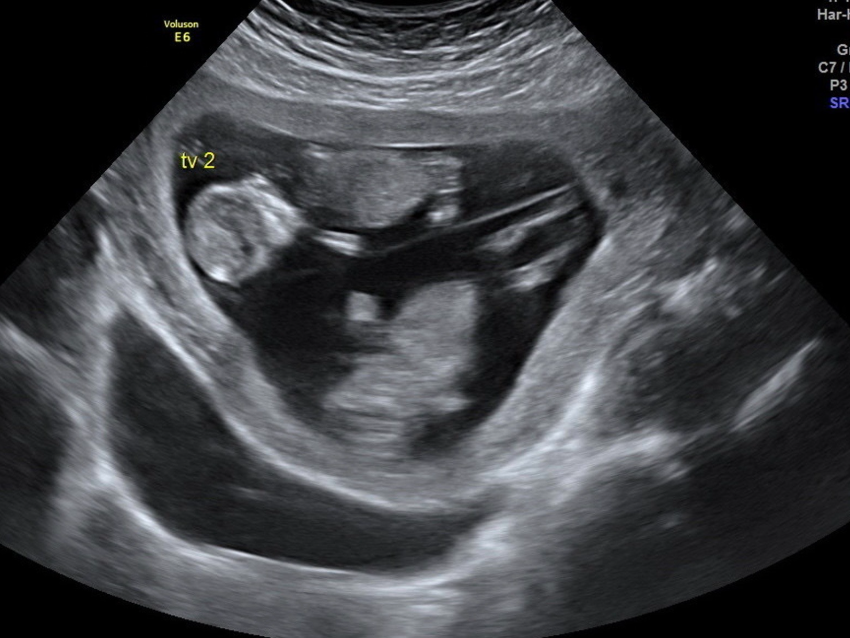
Becoming a twin parent is clearly unique as only 1-2% of all pregnancies are twin pregnancies. Expecting two children can feel amazing, but also scary. From the moment that you find out that there are two children instead of one in the womb, it will be a different pregnancy.
The fact that you are expecting twins may explain why you were feeling very nauseous, extremely tired and why you felt like your stomach started to grow early. Typical signs of pregnancy such as fatigue and nausea can become stronger when expecting twins due to an increased level of pregnancy hormones.
The difference between a twin and single pregnancy is that a twin pregnancy counts as a risk pregnancy. This is due to the increased physiological load the body is exposed to when expecting two children. This makes many people wonder: can a pregnancy, which is often connected with joy and expectations, really be called a “risk” and what does that mean in practice?
All twin pregnancies are different from each other. Some are more complicated than others and the ultrasound will determine what type of twin pregnancy is expected. Based on the ultrasound, a plan for the remainder of the pregnancy is drawn up. It varies across the country, but often it will entail more visits to the maternity clinic, some go every week and others every two weeks. It may also be necessary for the pregnancy to be followed up at specialist maternity clinics, which are often connected to a hospital. During these visits, you will meet the midwife, doctor and the ultrasound unit. Together with the doctor, you will plan your upcoming birth and this differs from a single pregnancy as planning only takes place in isolated cases if there is only one child in the womb – whereas there is a plan for every twin pregnancy.
During pregnancy, the twins will be checked using ultrasound many times, whereas for a single pregnancy, only two ultrasounds are usually offered if there are no issues. In addition to birth planning and ultrasounds, the visits are designed to detect signs of abnormalities in the pregnancy. The midwife will take blood pressure and urine samples. These are the same checks that all pregnant people have, but for those expecting twins, they are taken more frequently.
Twins are often born prematurely. Giving birth prematurely means giving birth before week 37+0. The recommendation is to induce labour at week 38, but of course the woman herself chooses whether she wants to continue her pregnancy or not. The reason why many twins choose to look out earlier is simply because there is not enough space when there are two little people in there. So often, through a joint decision that the womb is too cramped, they decide to start the journey outside the womb together.
You will find more articles on the same topic under the “Twins” category!


